Big Men – Little People
I always thought being a “big man” meant toughness. Read or listen—and let one small act of kindness show you what real strength can be.
I was always a little guy growing up. They called me a squirt. But the girls would say I was so cute—as they rubbed my brush-cut hair.
My brother would hit me—feeling alone, with me an easy target.
I always wanted to be a big man like him. I ate a lot to put some meat on my bones, but found out that wasn't very healthy—and would pay for it later.
He taught me that by passing before his time—far too early.
I played football to please my father—but broke a few bones, instead. This didn't make me a big man—just one with achy bones and deeper pain inside… I learned to hide.
I ran and ran—and then ran some more—imagining. I liked putting in those miles as it made me feel like a big man. But my body still carried the pain the little ones inside tried to run from.
A few weeks back, I was sitting face to face with a man whose shoulders and legs were much bigger than most.
His foot brushed against my recording stand, just enough to send my camera and microphone tumbling—snapping the connector on my transmitter like a bolt of lightning.
He felt really bad—having damaged something he knew was important to me.
I told him it was just the price of doing business, and I had a responsibility to make more legroom for him, because he was a big man—in many ways. A lot of wounded child parts—and still, a big man with a big heart.
He said he would replace the microphone—no problem. I agreed because I thought it was important to him… that he was doing it from his Core Self on behalf of his child parts.
A few days later, I received a package in the mail: a new microphone. It was definitely an upgrade from what I had before.
When I saw him the following week, he asked me how I liked it and if I needed some help setting it up.
I told him that I loved his gesture and would really appreciate the help, since “I’m not as savvy with technology as I might appear.”
He did it in a few minutes, his big hands fiddling with it carefully—teaching me along the way. I thanked him profusely for taking that extra step, especially knowing he was already rushed for time.
Later, as I read the news about some of the so-called “big men” around the world, I felt that others could learn a lot from him.
He’s a reminder of what it means to be a big man, to put yourself out there for someone when it's not expected and there's no quid pro quo.
That’s just plain compassion and kindness from the heart—nothing more, nothing less.
In my mind, that’s what it means to be a big man—and what big men are all about. It’s not about striking out or taking advantage of those who can’t defend themselves—or anyone they see as different.
Those are the hurt ones inside—little people, no matter how you look at it. We can do better than that.
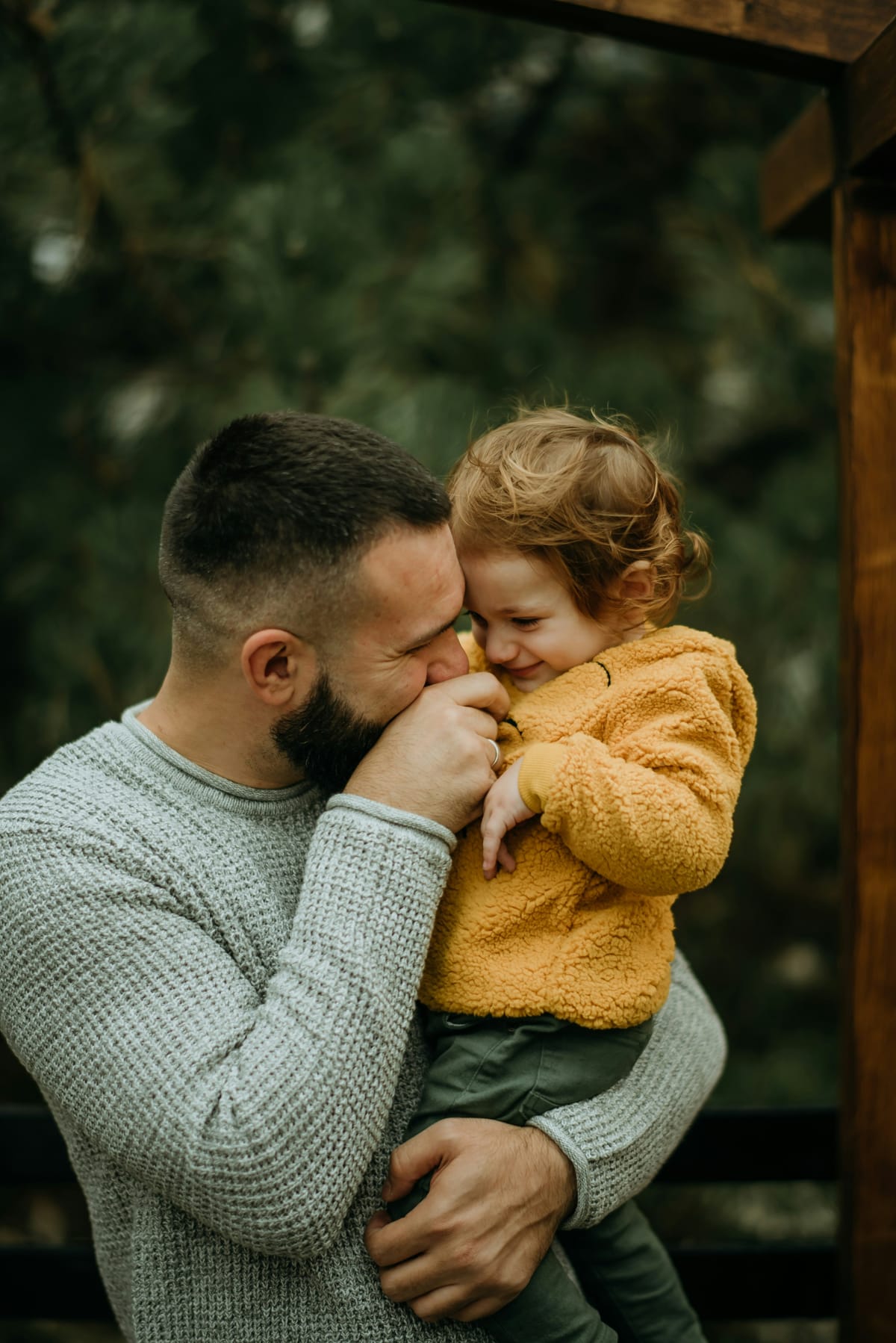
As the photo caption says, “Big men look at others face to face—and hold each other in heart.” That’s what we do with our kids and others in our lives—not fight senseless wars that only cause more hurt—for generations to come.
It’s all in a day’s work for big men—and big women, too—standing tall together for the little ones inside.
Imagine the light—the quiet. You’re home now—the big person you were always meant to be.
I'm right there with you.
Confidentiality note: The above piece is based on a true story and is released with patient consent. Similarities to your own situation are coincidental yet intentional, reflecting the universality of our human experience.
Comments or questions? Email me at mcecilvt@aol.com. Feel free to share these words—and this blog—with anyone you hold close or long to be held.
Dr. Cecil is a licensed psychologist, certified AEDP supervisor, approved EMDR consultant, and senior CSRT consultant. He specializes in treating complex relational, developmental, and transgenerational trauma, bringing therapy to life through heartfelt stories and images of connection and healing that emerge from the light of invisibility.